How to Choose Scuba Diving Gear
The right scuba gear is equipment that fits you, suits your diving and can be maintained properly. Start with your needs and budget, rather than buying every item at once. This guide covers six core items and the questions worth asking before you buy.
This is a buying guide, not a substitute for dive training or the manual for your exact equipment. Check compatibility and operating limits with a qualified instructor or authorised service provider before use.
1. Mask: fit comes first
Try several masks and check the seal, nose pocket and pressure points. Choose by your own face shape, not the brand’s country of origin. A dry fitting helps narrow the options but cannot guarantee a leak-free dive.
Low-volume describes the air space inside a mask, not simply a thin silicone skirt. Compare the actual view through each mask rather than assuming one lens always gives a wider view than two.
If you need prescription lenses, confirm the exact compatible mask and lens range before buying. For example, TUSA lists specific masks for its Intega corrective lenses; this is not a feature of every twin-lens mask.
References: PADI: Buying a dive mask (2015) · TUSA: Intega corrective lens compatibility
2. Fins: match the conditions and your feet
Full-foot fins can suit warm-water scuba diving from a boat, not just snorkeling. Open-heel fins often work with boots, but some are designed for bare feet or neoprene socks, such as SCUBAPRO GO Travel. Follow the model’s fit guidance.
Try fins with the footwear you will use. Compare blade stiffness, size, comfort and how they feel with your kicking technique. Heel type alone does not establish performance in current, and no fin replaces appropriate training or a suitable dive plan.
Check straps and buckles for wear and use compatible replacements. Do not assume a particular strap material makes every model more durable.
References: PADI: Fins · SCUBAPRO: GO Travel fin
3. Dive computer: readability and the right features
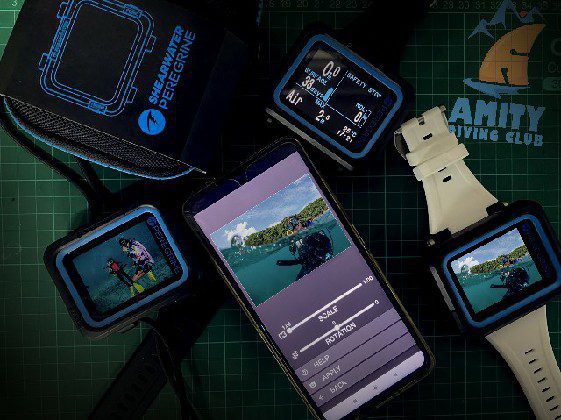
Choose a readable display and controls you can operate comfortably. Learn the settings and warnings before diving. Your computer must track your own dive profile: do not use a buddy’s readings as a substitute. NDL is a changing calculated limit, not a guarantee against decompression illness; follow your training and have a backup plan.
Choose modes for diving you are trained to do, rather than buying every possible feature. Air integration needs a compatible computer and transmitter: the original Shearwater Peregrine does not support it, while Peregrine TX does. Check battery arrangements and the manual for the exact model.
Health features are separate from gas monitoring. A wrist SpO2 sensor estimates blood oxygen saturation; it does not measure cylinder pressure or analyse your Nitrox mix. Check when and how any optional sensor can be used.
References: Garmin: Dive warnings · Shearwater: Peregrine support · Garmin: Pulse oximeter
4. Wetsuit: choose warmth, not just thickness
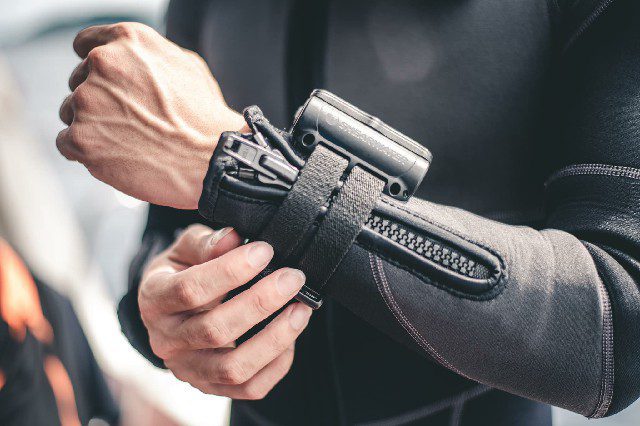
There is no single thickness-to-temperature chart that suits every diver and suit. Consider fit, materials, depth, dive duration and how easily you feel cold. Neoprene compresses at depth, affecting insulation. A well-fitting suit should be snug without restricting breathing or movement.
Ask about water conditions at the planned site, including thermoclines and repeated dives. Use the suit manufacturer’s guidance rather than treating a millimetre value as a safety limit. Check the panel specifications for mixed-thickness suits such as 3/2 mm.
An exposure suit offers only partial protection from contact with marine life; avoid touching animals and reefs. If you choose a drysuit, obtain appropriate training before diving in it. Confirm any custom-fit options with the maker rather than assuming every design can be made.
References: DAN: Wetsuits (2012) · DAN: Avoid the Chill (2020)
5. BCD: fit and the complete configuration
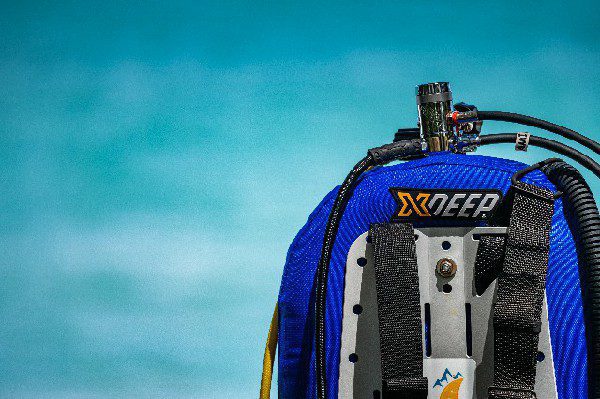
Jacket-style and back-inflate or backplate-and-wing systems offer different layouts. Try the complete setup with the exposure suit you expect to use. Check fit, access to controls and releases, lift capacity and compatibility with your cylinder and weight system.
An adjustable wing harness is not automatically suitable for every body size or age. XDEEP, for example, offers configuration choices for the diver and cylinder. Select the harness, backplate and wing together with professional guidance rather than relying on a body-weight range alone.
Integrated weight pockets, tank bands and replaceable components vary by model. Check the complete setup before each dive; two bands do not guarantee a cylinder cannot come loose. Learn to use and check your weight system, and confirm which repairs need an authorised technician.
References: PADI: Buoyancy control devices · XDEEP: ZEOS configuration
6. Regulator: check ratings and compatibility
Match the DIN or Yoke connection to the cylinder valve. Check the pressure ratings of the cylinder, valve, regulator and any adapter in their manuals; do not infer compatibility from the cylinder material or connector name alone.
Balanced describes aspects of regulator design, not approval for every depth or temperature. Check first- and second-stage specifications, cold-water suitability and breathing-gas compatibility separately. Do not choose on a balanced/unbalanced label alone.
The second stage is a demand valve, supplying gas as you inhale. In a typical single-cylinder setup, the octopus shares the cylinder and first stage; it is not an independent reserve supply. Have compatible components assembled and checked by a qualified professional, and practise the procedures taught in your training.
Choose an SPG you can read clearly and use it as part of gas planning. Hose life depends on construction, condition and care, not simply a rubber or braided exterior. Inspect hoses and follow the manufacturer’s servicing and replacement guidance. Confirm local service support, warranty terms and costs before buying.
References: SCUBAPRO: MK11 EVO / C370 specifications · PADI: Regulators · DAN: Air Hoses — A Closer Look (2017)
Before you buy
- Where will you dive, and what training does that diving require?
- Does the item fit with the rest of your equipment?
- What does the manufacturer specify for servicing, parts and warranty?
- What is the total cost, including compatible accessories and maintenance?
Ask Amity about models, sizes and prices before deciding. Contact us to confirm whether a fitting or demonstration is available; do not assume every item is in stock or available for an in-water trial.
Related reading: Types of diving · Why try diving?